


Healthy Basil Pesto
Description
Why Pesto is So Beneficial During Menopause
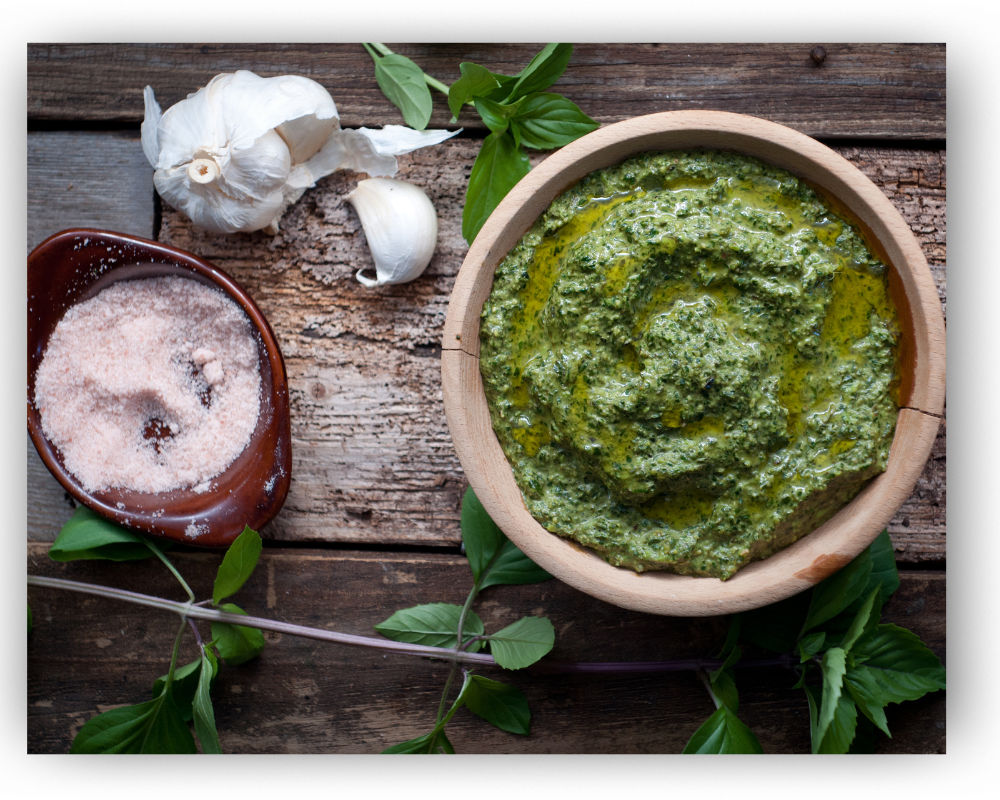
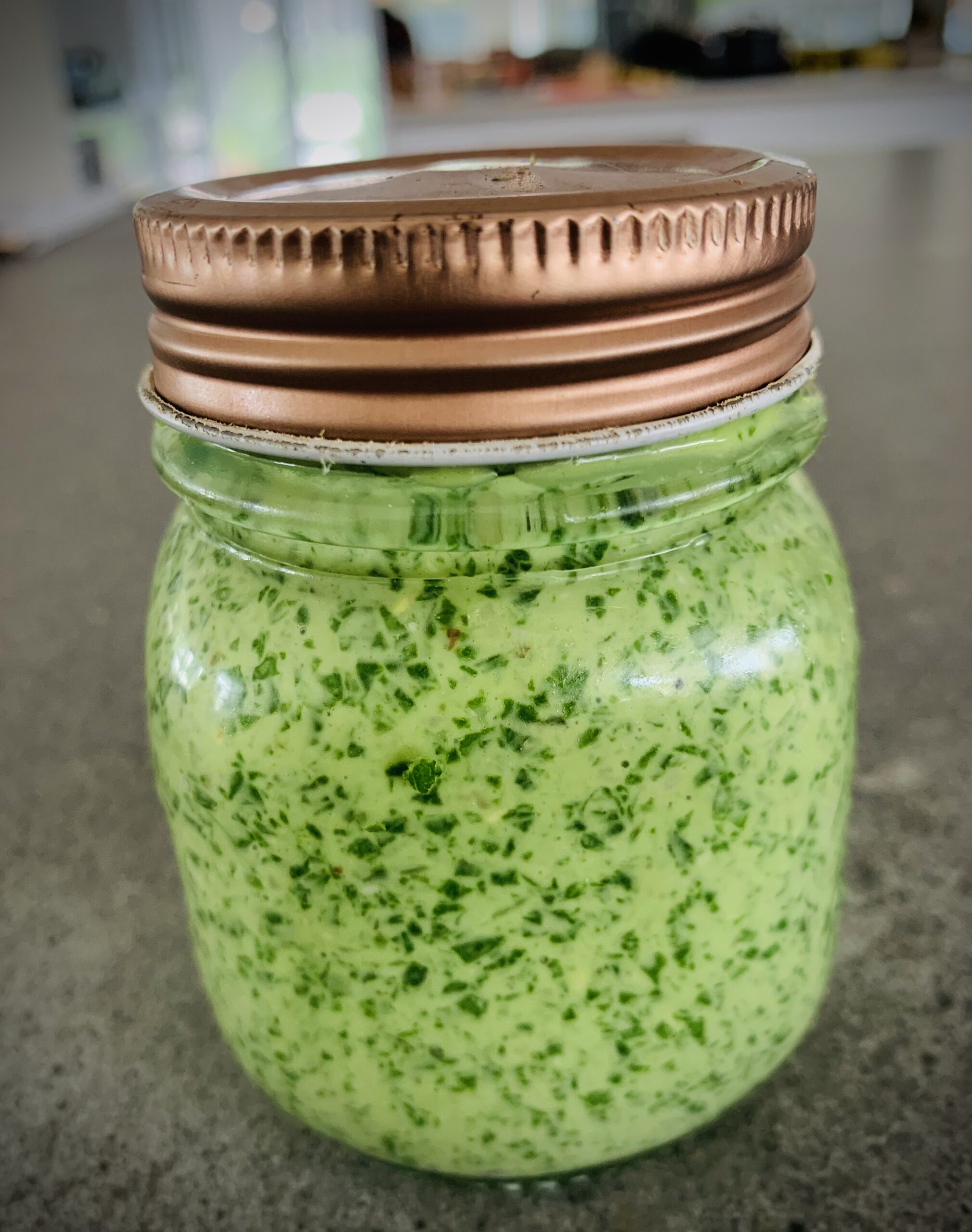
Pesto is a simple and nutrient pack little treasure. Each of the ingredients are jammed pack with healthy benefits.
Basil – A calming, antioxidant-rich herb
Fresh basil is rich in polyphenols and flavonoids, compounds that help reduce oxidative stress — something that tends to increase after menopause due to declining oestrogen levels. Basil also has mild anti-inflammatory properties and supports liver detoxification pathways, which are essential for healthy hormone metabolism.
Garlic – Heart and immune support
Garlic contains sulphur compounds such as allicin that support cardiovascular health by helping to maintain healthy blood pressure and cholesterol levels. This is especially important post-menopause when heart disease risk increases. Garlic also supports gut health and immune function, both of which influence hormonal balance.
Lemon juice – Detox and digestion booster
Lemon juice adds brightness to pesto while supporting liver function and digestion. The vitamin C in lemon helps combat oxidative stress and supports collagen production. Super beneficial for skin, joints, and connective tissue during menopause. Better digestion also means better nutrient absorption from your food.
Pine nuts – Protein, magnesium, and healthy fats
Pine nuts provide plant protein, magnesium, and monounsaturated fats. Magnesium is particularly helpful for menopausal women as it supports sleep, muscle relaxation, mood balance, and stress resilience. The healthy fats in pine nuts also help stabilise blood sugar and keep you feeling satisfied.
Extra virgin olive oil – Anti-inflammatory powerhouse
Olive oil is rich in oleocanthal and other polyphenols that reduce inflammation in the body. It supports heart health, brain function, and metabolic balance. Including olive oil in your diet is associated with better cardiovascular outcomes. Always something to consider in post menopause.
Together, these ingredients create a nutrient-dense, anti-inflammatory, heart-supportive, and hormone-friendly food that can:
- Reduce inflammation and oxidative stress
- Support cardiovascular health
- Promote stable blood sugar
- Nourish the brain and nervous system
- Aid digestion and liver detoxification
- Provide healthy fats that support satiety and metabolic health
A couple of more ways to use pesto: drizzle over steamed vegetables, grilled chicken, baked fish, roasted sweet potato, zucchini noodles, or mixed through homemade hummus for an incredible dip to have with freshly cut veggies
Ingredients
Instructions
-
Prepare Ingredients
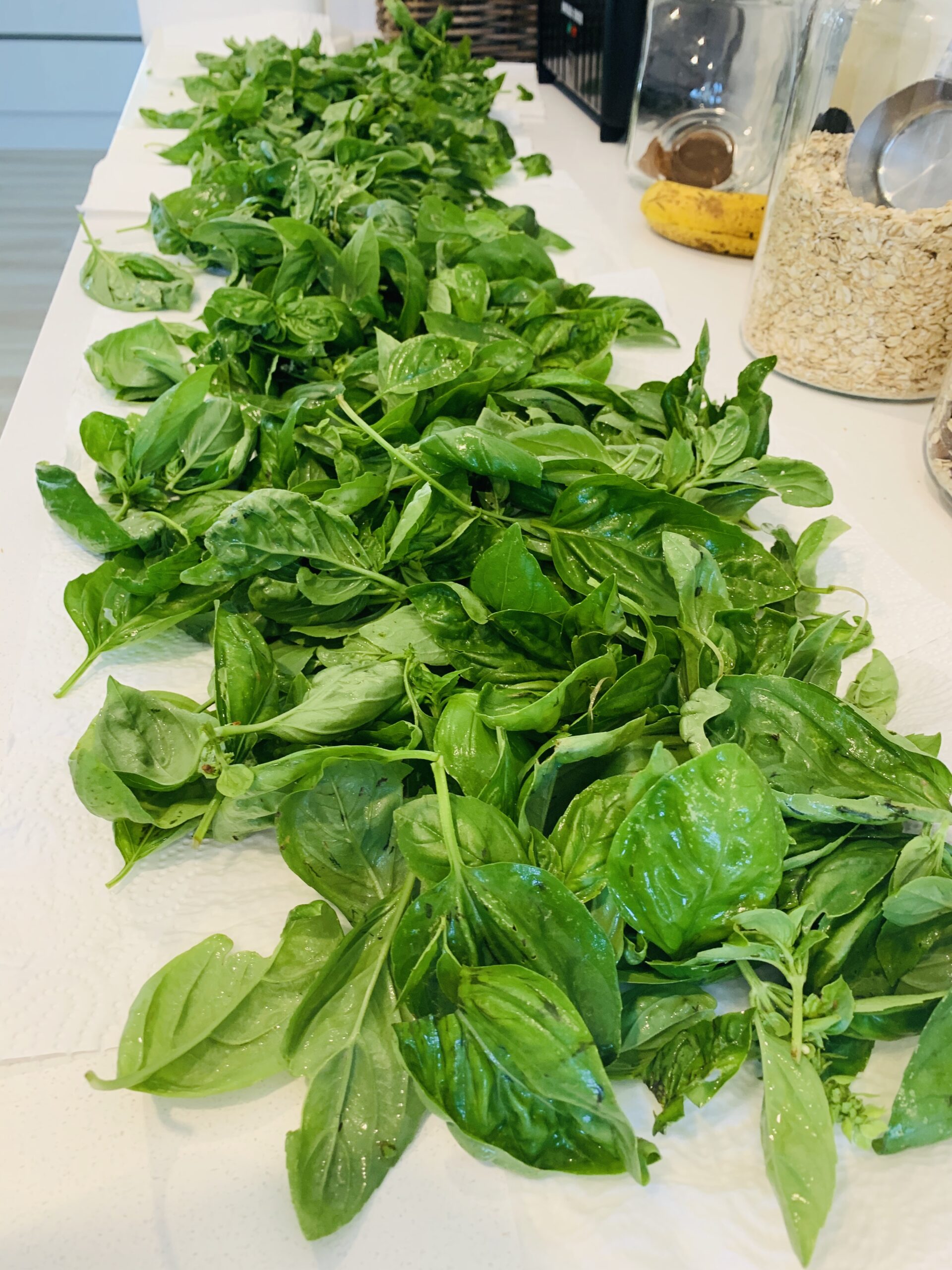
- Strip basil leaves from the woody stalks (stalks can be frozen and used to flavour soup or stews)
- Wash leaves and leave to dry on paper towel or tea towel
- Squeeze as much juice as possible out of the lemon
- Optional - you can toast the pine nuts in a dry frying pan just for a couple of minutes - until they go a little golden - then let them cool down
-
Process
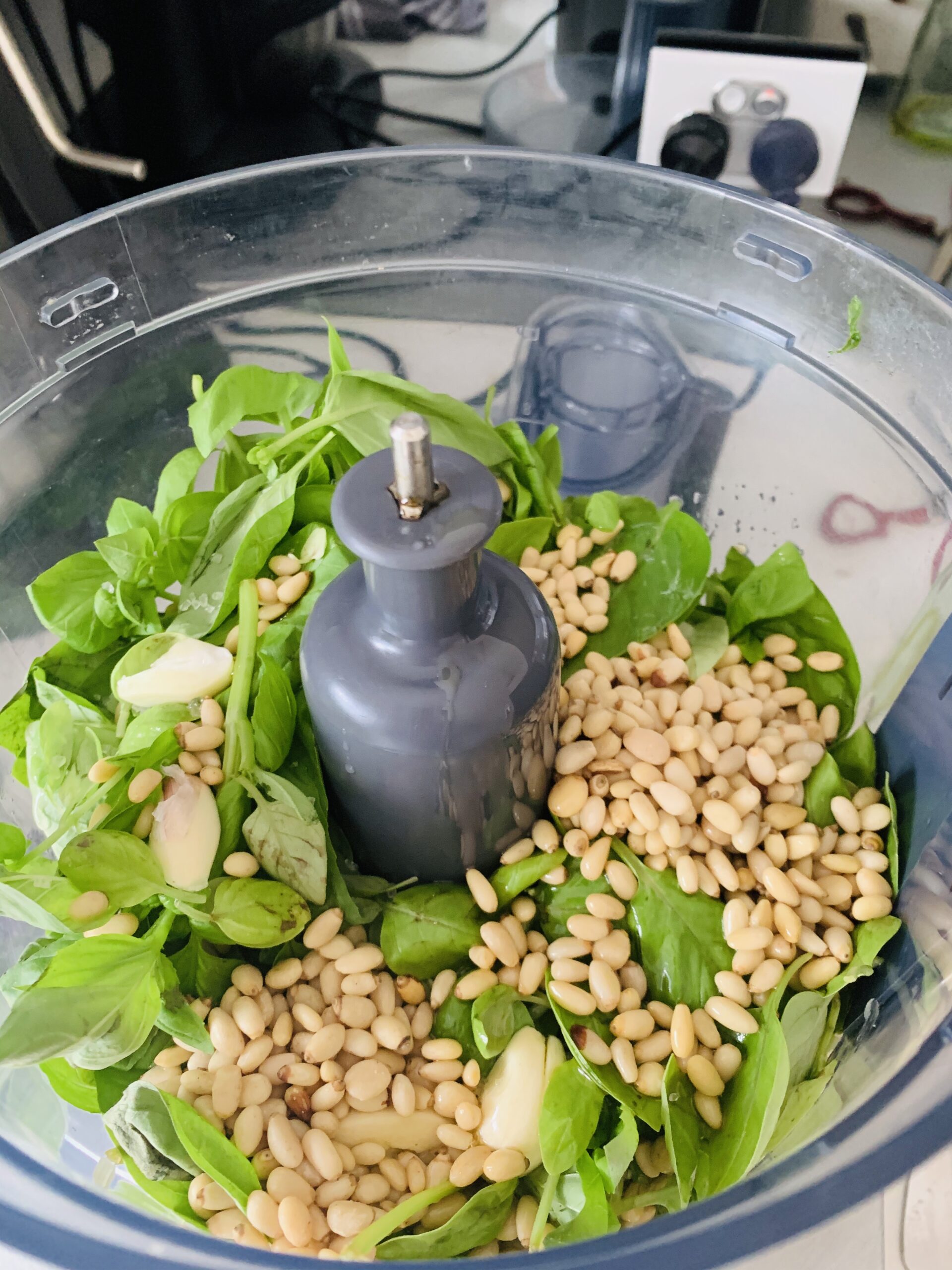
- Add basil leaves, garlic, salt and lemon juice into food processor and process until leaves are finely chopped
- Add extra virgin olive oil. Add 1/4 cup first and have another 1/4 cup on hand if required later
- Add pine nuts and process until smooth
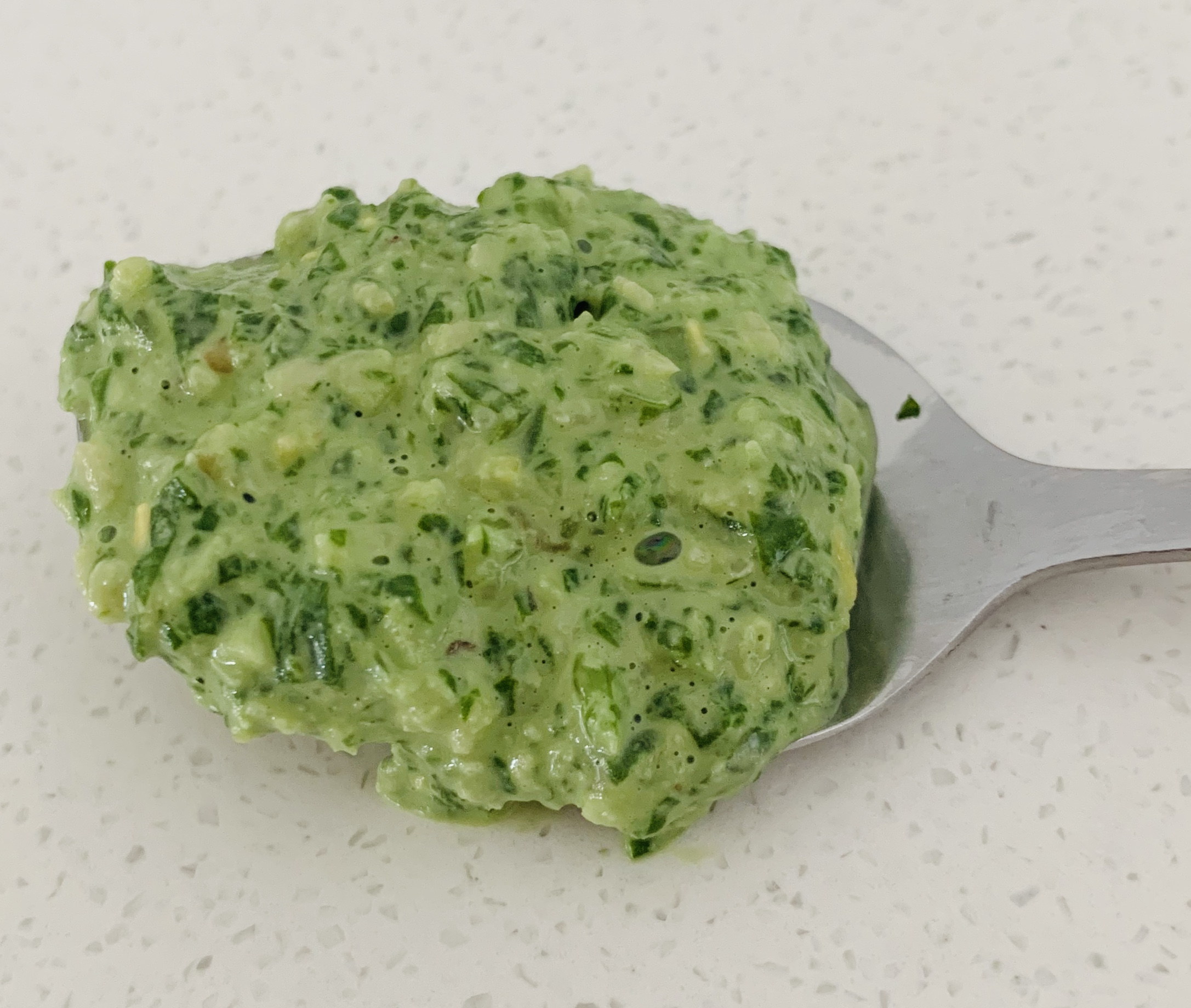
- Scape down the sides of the processor if some of the ingredients stick to the sides and process again for 10 seconds
- Taste the mixture. Add more salt, lemon juice or garlic depending on your taste. Add some of the remaining olive oil if you like a looser mixture
-
Uses
- Use in a with freshly cooked pasta and roasted Mediterranean vegetables
- Spread on freshly toasted sourdough
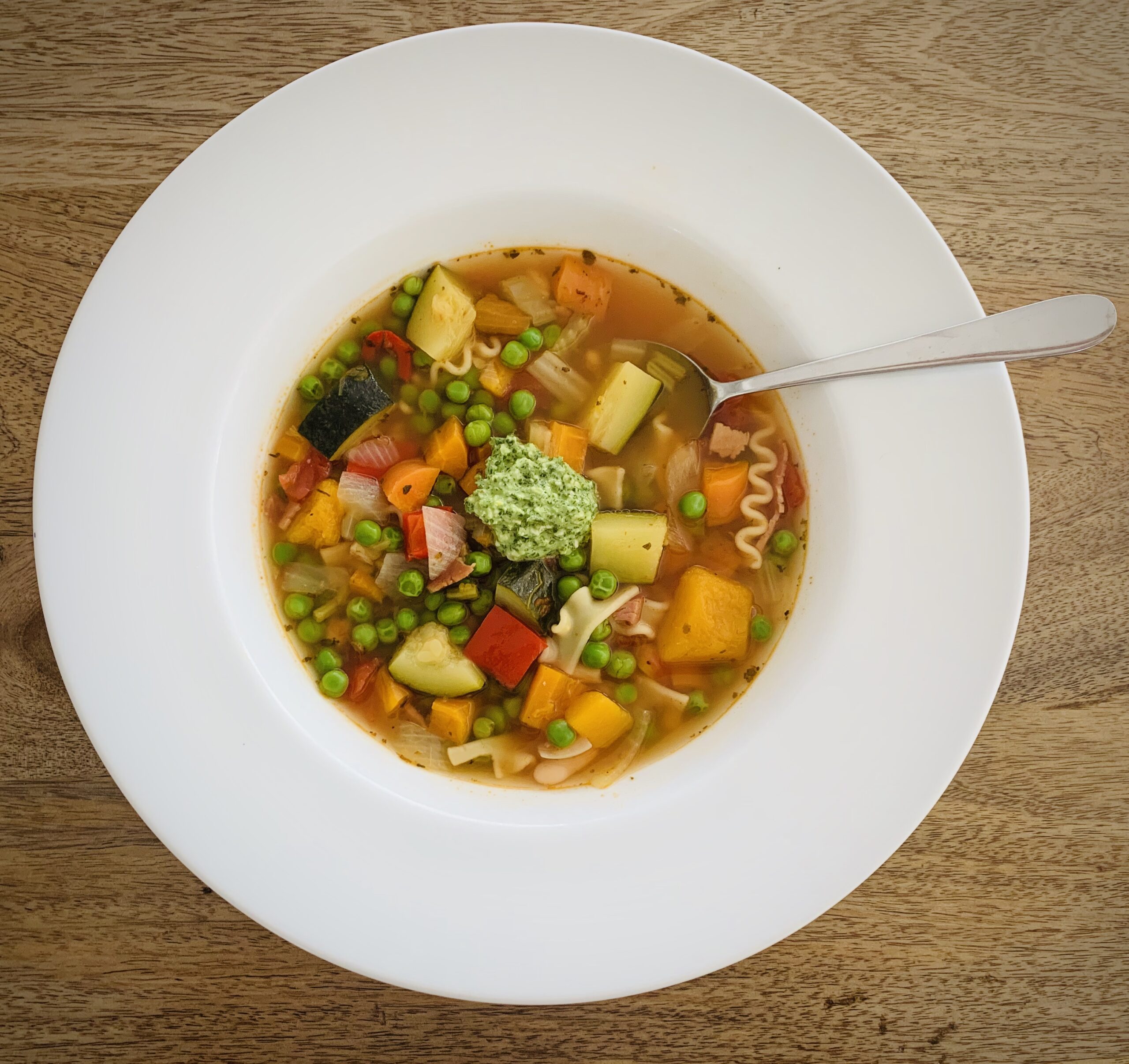
- Use as a topper for soups eg: minestrone
- Use as a topper for freshly cooked scramble eggs or mix through when cooking
- Great a sandwich spread
- Mix through hummus for a great dip with vegetables
Nutrition Facts
Servings 12
- Amount Per Serving
- Calories 98.85kcal
- % Daily Value *
- Total Fat 10.09g16%
- Saturated Fat 0.96g5%
- Trans Fat 0g
- Sodium 50.13mg3%
- Potassium 84.74mg3%
- Total Carbohydrate 0.6g1%
- Dietary Fiber 0.88g4%
- Sugars 0.35g
- Protein 1.27g3%
- Vitamin A 35.44 IU
- Vitamin C 5.27 mg
- Calcium 17.1 mg
- Iron 0.5 mg
- Vitamin E 2.13 IU
- Thiamin 0.1 mg
- Riboflavin 0.03 mg
- Niacin 0.43 mg
- Vitamin B6 0.02 mg
- Folate 7.5 mcg
- Phosphorus 49.59 mg
- Iodine 0.5 mcg
- Magnesium 21.6 mg
- Zinc 0.6 mg
- Selenium 0.2 mcg
- Kilojoules 413.63
* Percent Daily Values are based on a 2,000 calorie diet. Your daily value may be higher or lower depending on your calorie needs.
Note
You can add a nice parmesan cheese to this pesto but it will affect the freshness. I tend to just add it when I am adding the pesto to a dish
This is a plant based recipe and gluten free. Leave out pine nuts for those with nut allergies