

I am not sure about you but during menopause I have felt so much hungrier than I used to – I thought I was imaging it. Someday I felt like I could eat a bucket load of food, I just could believe it. After a lot of research, I realised that this is such a common symptom of the menopause that you just don’t hear that much about. Sometimes it is a sudden increase and for other it comes on more slowly. Never fear, there are simply proven ways to curb and train your appetite and cravings without giving up delicious foods.
Often women crave more carbohydrates and sweet treats or feel hungry shortly after eating. So challenging if you are trying to lose menopause belly fat and weight gain at the same time. This is incredible frustrating and confusing when you think you are doing all the right things. Sometimes it is hard managing your changing biology and its by no means your fault.
Menopause triggers profound hormonal and metabolic changes that directly affect hunger, satiety, blood sugar, and fat storage. The good news is that appetite can be regulated and sugary cravings can be reduced when you understand how to work with your body, not against it.
So how do we curb our raging appetite and reduce sugar cravings? The key is to keep it simple. Stick to proven strategies that support your body. There is no gimmick or quick fix that will help with hunger and cravings (no matter what marketing rubbish they feed you). The good news is that if you start making small changes every day you will see improvements in a relatively short time and feel better overall along the way.
Why Does My Appetite Increase During Menopause?
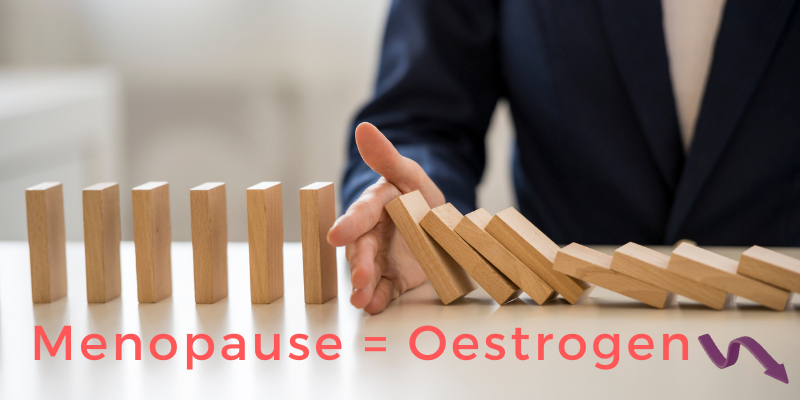
Declining oestrogen disrupts appetite hormones
We have all heard that oestrogen fluctuates during perimenopause and significantly decreases once we reach post menopause. Well, it appears that the reduction of oestrogen not only affects a multitude of menopausal symptoms, but the decline also has a massive impact on appetite regulation and satiety by influencing the hypothalamic pathways that regulate hunger, energy intake and body weight. Two other hormones are impacted when oestrogen declines
- The hunger hormone ghrelin increases – so you often feel so much more hungry = increased appetite
- Leptin the hormone that tells you that you have had enough food decreases – so you naturally eat more and you have reduced satiety (feeling satisfied
Insulin Resistance Increases Appetite and Cravings
Oestrogen fluctuations and decline can significantly decrease insulin sensitivity during menopause, even in very healthy women. The body’s ability to regulate glucose becomes less effective
- Often insulin sensitivity starts to decline during perimenopause seeing a increase in blood sugar levels, weight gain particularly around the belly fat, and potentially type II diabetes.
- Cravings increase particularly for high carbohydrate foods including sugary/sweet foods
- Hunger increases shortly after eating
When you get rapid elevation in blood glucose and then it suddenly drops, the brain interprets this as an energy shortage that then triggers hunger. It is super important to stabilise your blood glucose to control your appetite
As Muscle Mass Reduces So Does Your Metabolic Rate
It is normal for muscle mass to decline as we get older, however menopause is driving by declining oestrogen levels that affect the protein synthesis, repair mechanisms and the mitochondrial function (the powerhouse of the muscle to make it work) of the muscle.
- Reduction in muscle mass leads to
- Reduced metabolic rate
- Reduced calorie burning
- Increase fat accumulation in the body
- Impaired appetite regulation – so again you often feel an increase in hunger
- Reduced insulin sensitivity – also increasing hunger
10 Ways to Reduce Appetite and Cravings
Here are 10 simple strategies to help you regulate your appetite and reduce sugar craving
Eat a Variety of Foods at Each Meal
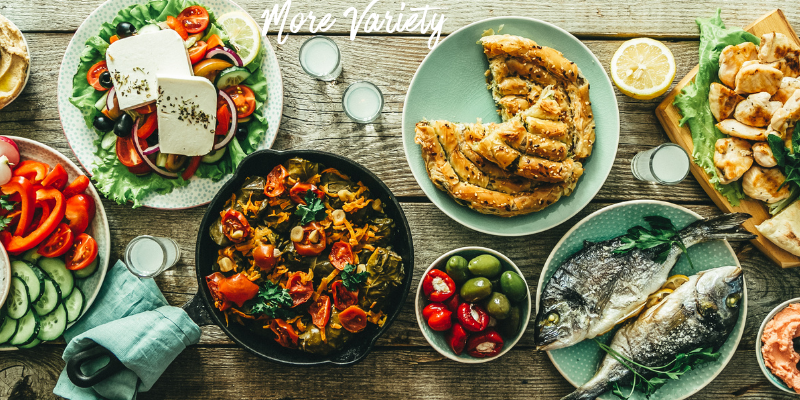
Eating a variety of whole, nutrient-dense foods in a single meal can increase satiety because it activates multiple physiological signals that regulate appetite.
Meals that combine protein, fibre-rich vegetables, healthy fats, and slow-digesting carbohydrates stimulate satiety hormones such as CCK, GLP-1 and peptide YY, slow gastric emptying, and stabilise blood glucose levels, all of which help you feel fuller for longer.
Variety in plant foods also provides different fibres that support the gut microbiome and enhance gut-brain signalling related to appetite control. In addition, varied textures, flavours and colours increase psychological satisfaction with a meal, which can reduce cravings later. However, while variety of whole foods supports fullness, variety of ultra-processed foods can have the opposite effect and encourage overeating.
- Add vegetables to your eggs at breakfast
- Build your meals around different sides
- Have a variety of small plates/bowls at dinner or lunch eg: salmon bites, pickled vegetables, baked vegetables, raw vegetables, steamed vegetables, a variety of salads, roasted chicken pieces, marinated tofu, quality cheeses, seafood, small bowls of minestrone or other soups, cooked legumes eg: dahl curry, healthy grains and any other whole food.
- If you have a mix of foods on hand you can mix it up over a few days. More prep at the start but less work afterwards
- Include many different colours of vegetables and fruit at each meal
Practice Hara Hachi Bu
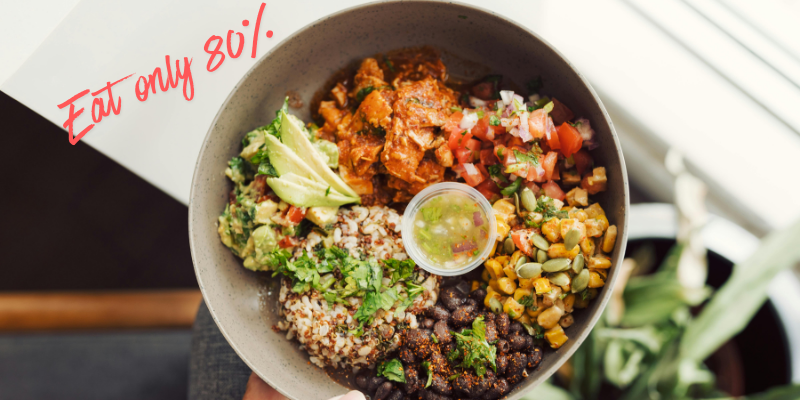
Hara Hachi Bu means “eat until you are about 80% full.”
Don’t eat until you feel completely full as the body needs a little time to recognise that you have had sufficient food. Stop when you feel like you could eat a little more and wait for 20 minutes. If you are still hungry then, grab an apple or other piece of fruit to complete your meal.
This mindful approach to eating will help prevent overeating, stabilise blood sugar levels, reduce cravings and support weight management.
By eating slowly, focusing on nutrient-dense whole foods, and stopping before feeling overly full, Hara Hachi Bu encourages a balanced relationship with food that promotes long-term metabolic health and sustained energy.
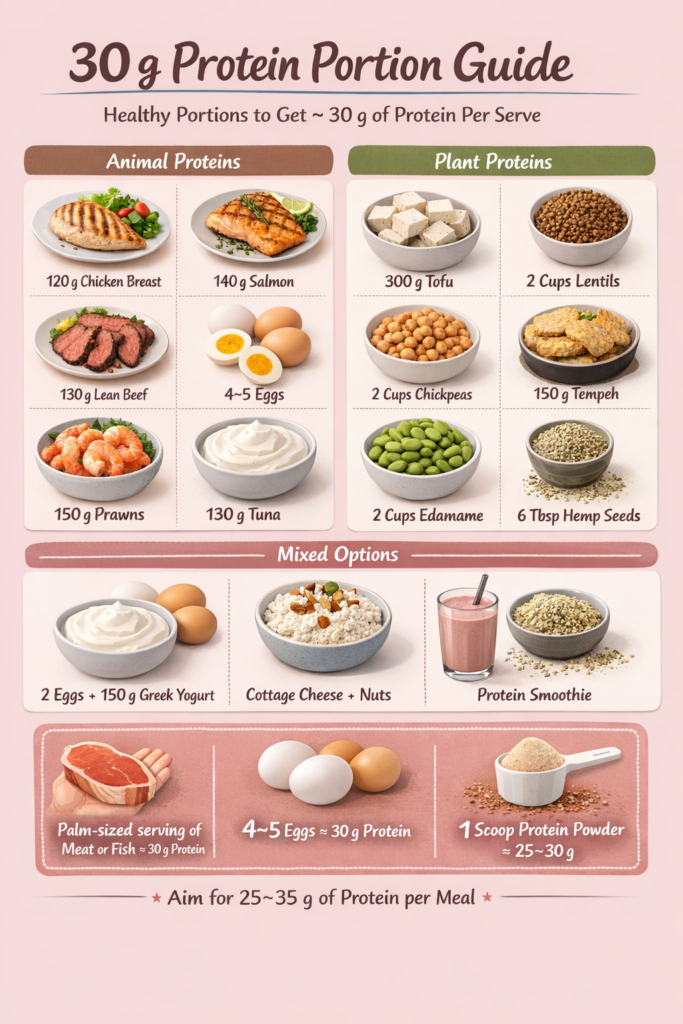
Include Protein in Every Meal and Snack
Protein helps to reduce hunger and by stimulating GLP-1 and YY peptide hormones. These hormones you feel satisfied with your food intake, and it reduces the hunger hormone ghrelin.
Depending on your current weight – aim for 1.2 to 1.6 grams per kilogram of body weight daily. Eg: I’m 80kg so I eat approximately between 96 to 128 grams over the day. I tend to eat more protein when I am doing strength training to support muscle mass improvement.
You don’t have to eat all the protein at meals – it can be spread across a couple of snacks too – eg: nuts and seeds on some natural Greek yoghurt or some apple and slices of mozzarella cheese for mid-morning snack
Increase Fibre Intake
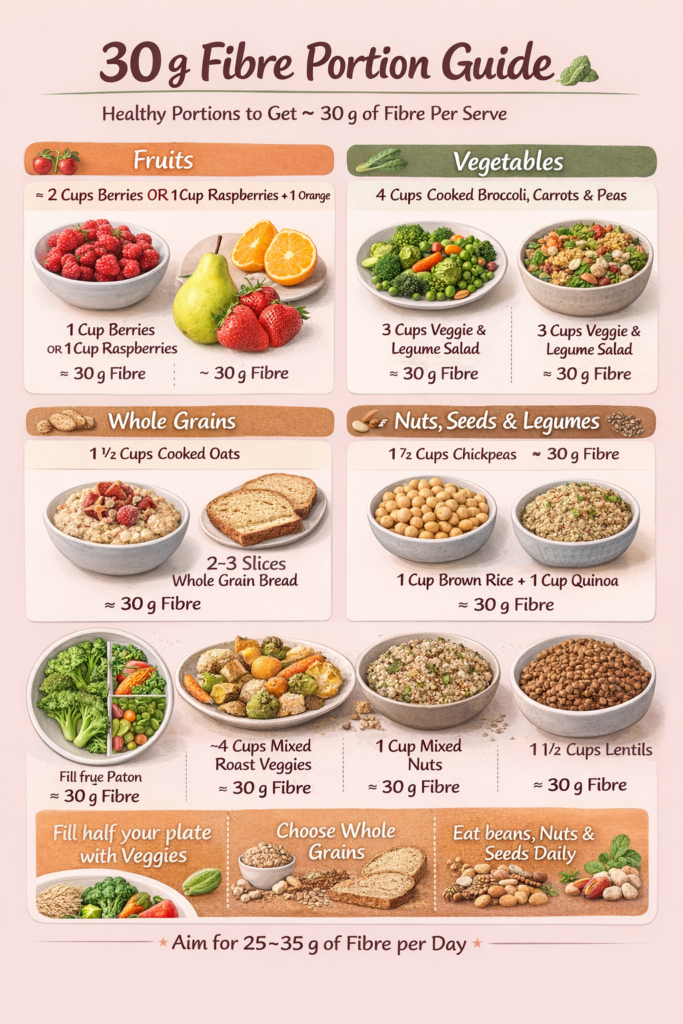
Fibre is so under rated these days with all the focus on protein. Well it is the unsung hero of good health. Fibre slows digestion and helps regulate blood glucose levels, and stimulates the hormones that make you feel full. The other bonus of fibre is it support the health of your gut microbiome and waste elimination which also helps with appetite regulation and weight gain.
Aim for 25 to 30 grams of fibre per day
Start Your Day with Breakfast
It is very popular now for people to fast and skip breakfast. For some people this works well, but usually with those who have increased appetite and cravings, skipping breakfast is a big NO NO.
If you skip breakfast the hunger hormone ghrelin increases and generally leads to stronger cravings and hunger later in the day. A protein rich breakfast regulates your appetite during the rest of the day and reduces afternoon and evening cravings/snacking.
A breakfast with a combination of protein, fibre, whole carbohydrates and healthy fats will reduce cravings and hunger and as a bonus stabilises blood sugar levels throughout the day and improves your energy levels
A super breakfast might include a mix of the following :
- Eggs
- Avocado
- Haloumi cheese or other soft cheeses
- Yoghurt
- Walnuts
- Pumpkin and sunflower seeds
- Berries, cherries, apples or other fresh fruits
- Vegetables – broccoli, tomato, zucchini, capsicum, rocket or any leftover vegetables
- Spices, fresh herbs and garlic
- Legumes – homemade baked beans, chickpeas, hummus, or bean salad
- Sourdough bread
- Diced roasted chicken on sourdough with a serve of tomato and onion salsa
- 1 tablespoon of flax seeds over yoghurt, vegetables, cheese or eggs
- Squeeze of lemon juice
BREAKFAST RECIPES
Make Sleep a Big Priority
If your sleep is interrupted or disrupted, your brain naturally looks for a quick source of energy to relive tiredness. Often you will feel like sweet treats or heavy carbs like pasta or white breads. Ghrelin and cortisol increase with poor sleep, and they both reduce the fullness hormone leptin.
Scientific studies consistently show that poor sleep patterns are linked to increased food intake (often poor-quality food) and significantly increased weight gain
Simple ways to support better sleep include:
- Maintaining a consistent sleep routine
- Limiting caffeine in the afternoon
- Reduce alcohol intake
- Reduce sugar laden and ultra processed foods
- Reducing screen exposure before bed
- Getting natural morning sunlight.

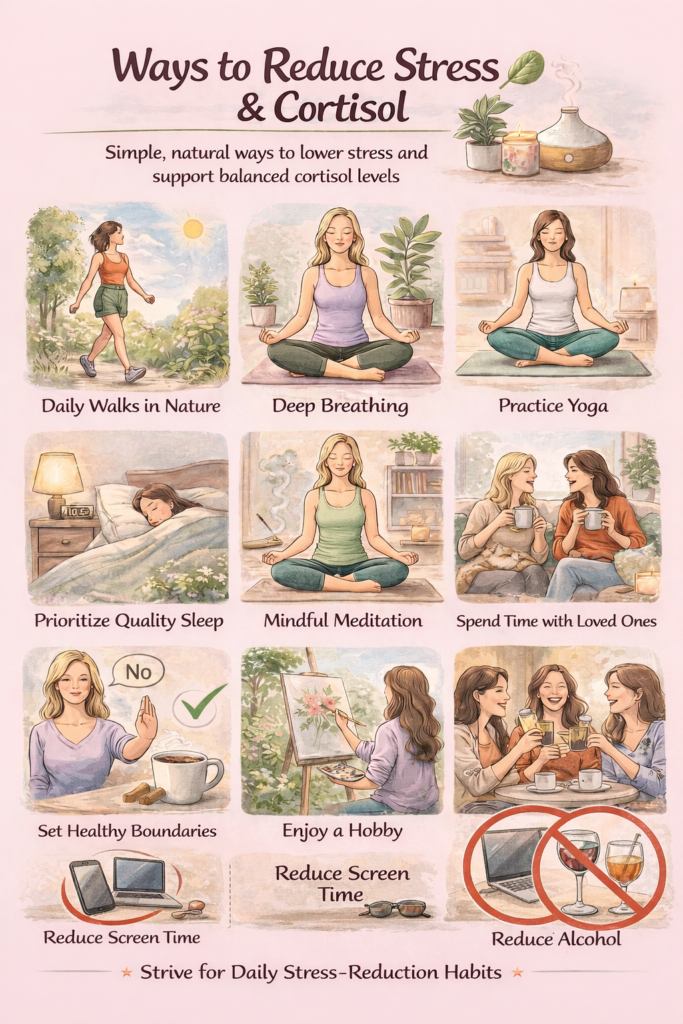
Reduce Stress and Your Cortisol Levels
Chronic stress increases the hormone cortisol, which can drive hunger and cravings for energy-dense foods. Increased cortisol also promotes the storage of abdominal fat.
Regular stress-reducing practices can help regulate appetite hormones and support metabolic health.
Even small daily stress-management practices can help rebalance appetite signals.
Drink More
No not wine, beer or cocktails. Drink more water, teas and other nontoxic drinks. Thirst is often mistaken for hunger.
When you body starts to dehydrate you may feel similar sensations to hunger.
- Aim for 1.5 to 2 litres of fluid each day, depending on your activity level
- Drink water prior to meals as it increases satiety and helps to reduce calorie intake
- If you feel hunger between meals try herbal tea, black tea, mineral water or water with lemon or lime in it. Often your hunger will subside
- Refrain from alcohol as it dehydrates you significantly and dramatically increases appetite for salty and poor fatty foods

Eat More Fats – The Healthy Kind
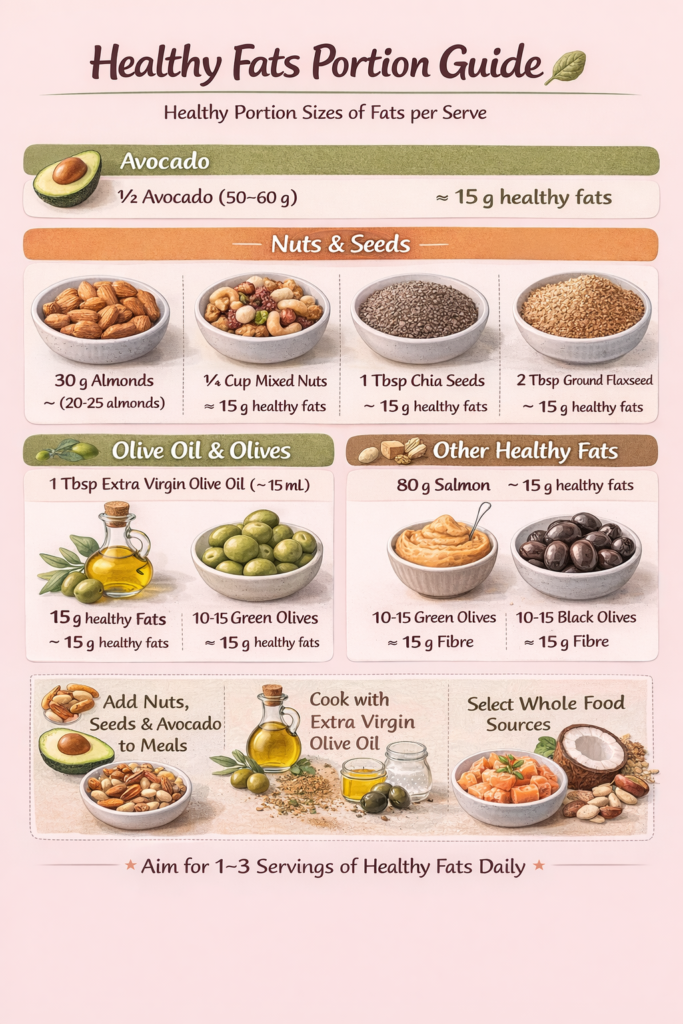
Fats are your friends if it’s the right type of fat. Gone are the day of fat free foods – often these foods are laden with sugars, additives and other nasties that will seriously mess with your body.
Healthy fats help to slow digestion and give the sensation that the food you eat is more satisfying. Healthy fat intake is also important to allow you to absorb fat soluble nutrients. Healthy fats support hormone production, and reduce blood sugar fluctuations when eaten with carbohydrates.
These foods are quality healthy fats and provide anti-inflammatory properties that help reduce many symptoms of menopause.
A healthy fat intake is 20% to 35% of total daily calories. Focus on omega-3 fatty acids (fatty fish, flaxseed, walnuts) to reduce symptoms and prioritise extra virgin olive oil, nuts, and avocados while limiting saturated fats found in animal meats to less than 10% of daily calories.
- Extra Virgin Olive Oil
- Nuts and seeds
- Avocado
- Fatty Fish – sardines, salmon, mackerel
- 1 tablespoon of flaxseeds each day
Support Your Gut Microbiome
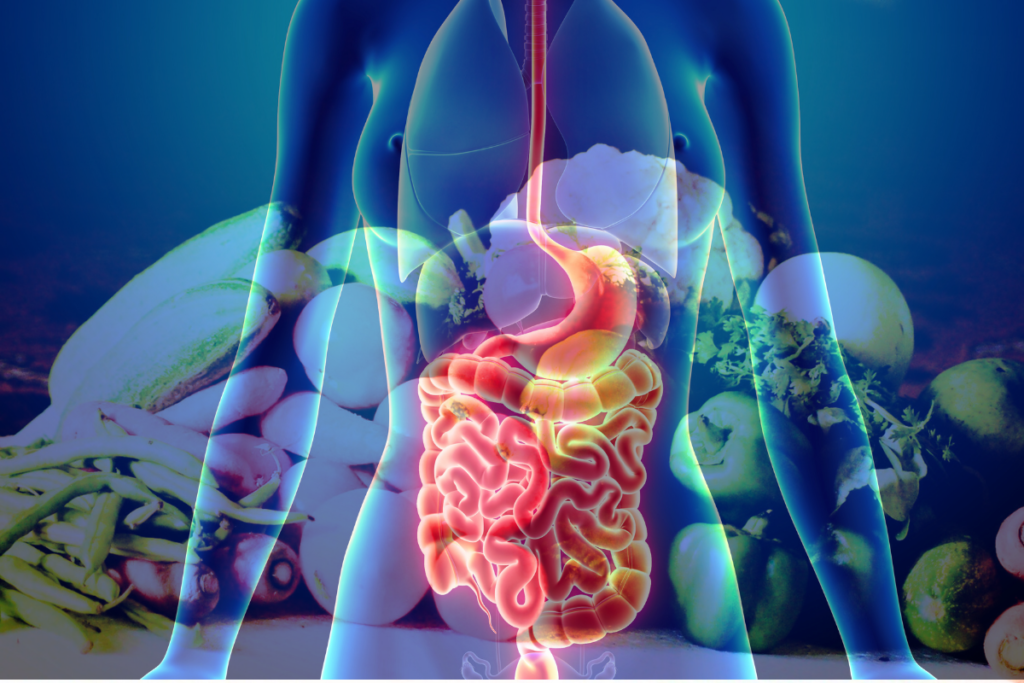
Emerging research shows that the gut microbiome plays an important role in appetite regulation, metabolism and inflammation.
A diverse microbiome can support improved metabolic health and more balanced hunger signals.
Foods that nourish beneficial gut bacteria include:
- Fermented foods such as yoghurt, kefir and sauerkraut
- Fibre-rich vegetables
- Polyphenol-rich foods like berries and green tea
- Prebiotic foods such as garlic, onions and asparagus.
Supporting gut health will help reduce cravings and improve overall wellbeing.
Final Thoughts
Hunger and cravings are extremely frustrating, and you often feel your body is just going haywire. The key is to accept the changes and work smartly with your body.
This is a time to spend time on what you put into your body, you need more nutritional support and care.
Don’t be tempted by quick fix dieting or drugs to improve your health. These short-term solutions will come back to bite you down the track. Some individuals do need the support of drugs that help with appetite control, but these people are the minority not the majority