
“Menopause is a time for you to step back and look after yourself. You with the help of nature can provide so much relief during these midlife challenges. It’s not complicated – You just need to know how and ignore all the hype and fluff out there”
Maree Mac Guinness
A question I am often asked is – why do women in other countries like Japan have fewer symptoms of menopause compared to women of Western cultures? An important question as it highlights the everyday difference between women of western cultures and women in Asian countries like Japan, China and Korea, Mediterranean countries like Greece, Cyprus and Italy, Kailai, Papua New Guinea, Guatemala and Mayan women from the Yucatan Peninsula have significantly fewer reported symptoms. Extensive research reveals that women in these countries have stronger and healthier foundations in diet, lifestyle, culture, sexual activity, social interactions and environment, all leading to a reduction in the severity of menopausal symptoms. This highlights why we can’t just blame the decline in our reproductive hormones and that we need much more than medications to thrive during peri and post menopause and beyond
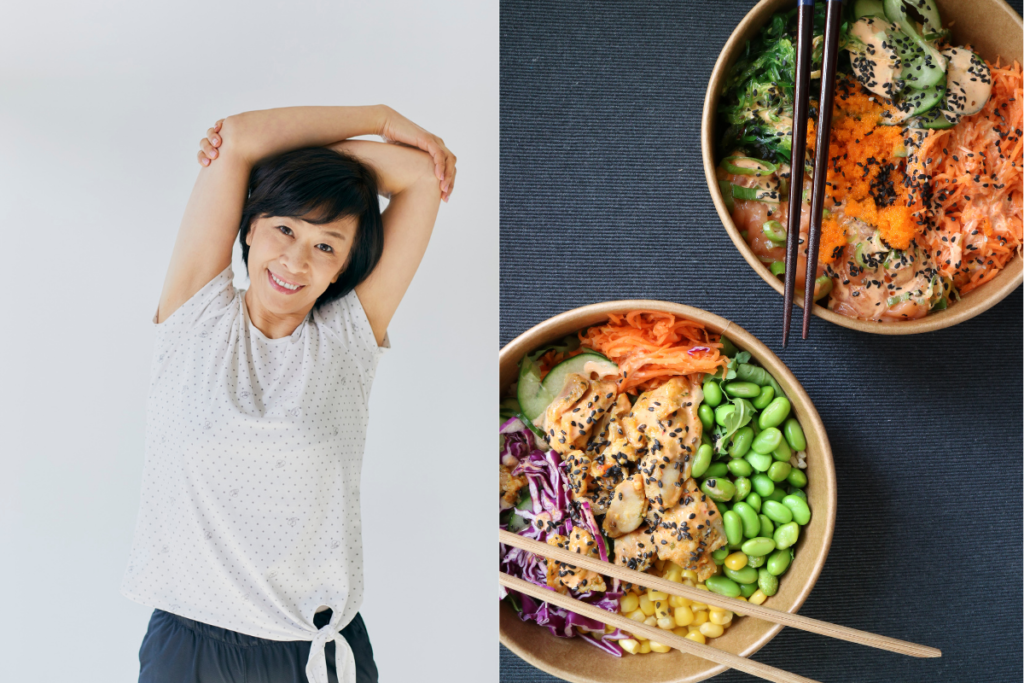
Find out more about The Menopause Miso Miracle
10 simply ways to help you feel better naturally
It’s time for you to feel better naturally and settle those menopausal symptoms. These strategies are based on what I have learned from visiting and observing women in Japan, China, Greece, Italy, Guatemala and the Yucatan Peninsula, from reading loads of scientific paper and my clinical nutrition and functional medicine studies, from my personal experience and the amazing results I have seen in patients. Just start incorporating some of these tips into your everyday life.
Menopause is Not Who You Are
There is an incredible amount of noise out there on social media and online platforms about menopause these days. We have gone from not hearing a word to being bombarded with an overload of information – some good and some absolutely nonsense. This fear-based messaging increases the symptom burden. This is a very western culture-based problem.
How?
Invest time in yourself to learn what is really going on with you and your body. Check out reliable education sources and avoid doom scrolling every menopause influencer out there. There is a couple of incredibly knowledgeable influencers that know what they are talking about, but it really is only handful. Make sure your information sources are qualified in what they are talking about. It’s your body and you are worth the time
You create your own identity
Don’t let menopause determine “who you are” or allow others to label you. Women have been going through this stage of life since the dawn of time. It is a natural life transition, not a burdenor a label.
How?
Yes, the symptoms are often crazy and debilitating, however the key is to embrace these changes and to be well equipped to let the body do its natural job. Research shows that expectations strongly influence symptom perception and severity during menopause. So make this the time to go with the flow and accept the change. This is not a time to look for quick fixes (there are none) – it’s a time to take positive steps so you feel a bit more like the old you again and a bit of the new confident, calm and resiliant you. It’s time to evolve not disappear. Think about how you would like to be from this point on and take small steps to be that “you”. Don’t compare yourself to others. They are not you, and I can guarantee they have their bad days, challenges and melt downs too.
Reduce demands, stress and worries.
Stressing yourself out about menopausal symptoms, aging, losing your identity in the workplace, family, aging parents, and just everyday life increases the production of the stress hormone cortisol. Unfortunately, rising levels of cortisol increases the severity of brain fog, memory loss, irritability, hot flushes, night sweats, weight gain, sleep loss, aches and pains, inflammation, loss of libido, energy loss and down right feeling crappy.

How?
Get rid of all the noise, don’t label yourself, and let others take care of themselves a bit more. Find a way to cut loose and relax. Start to say NO. You don’t have to be a yes women all the time. You have to look after yourself as very often no one else will. If you continue to put everyone first, you are teaching everyone around you to do the same – putting themselves before you. You will soon see how quickly some of your symptoms will settle down once you take the time to look after number one YOU – the results will come and you might even recognise a bit of the old you again and find a new you – which is even better
Clean Out the Crap
“To create a new path, you have to have a nice clear path first”
With all the crazy demands in our midlife these days, adding another thing to do, another regime to follow, another food to buy or exercise to do, can seem completely overwhelming – it is. You need to make some room for you. This often means clearing the obstacles, rubbish and nonsense off your path.
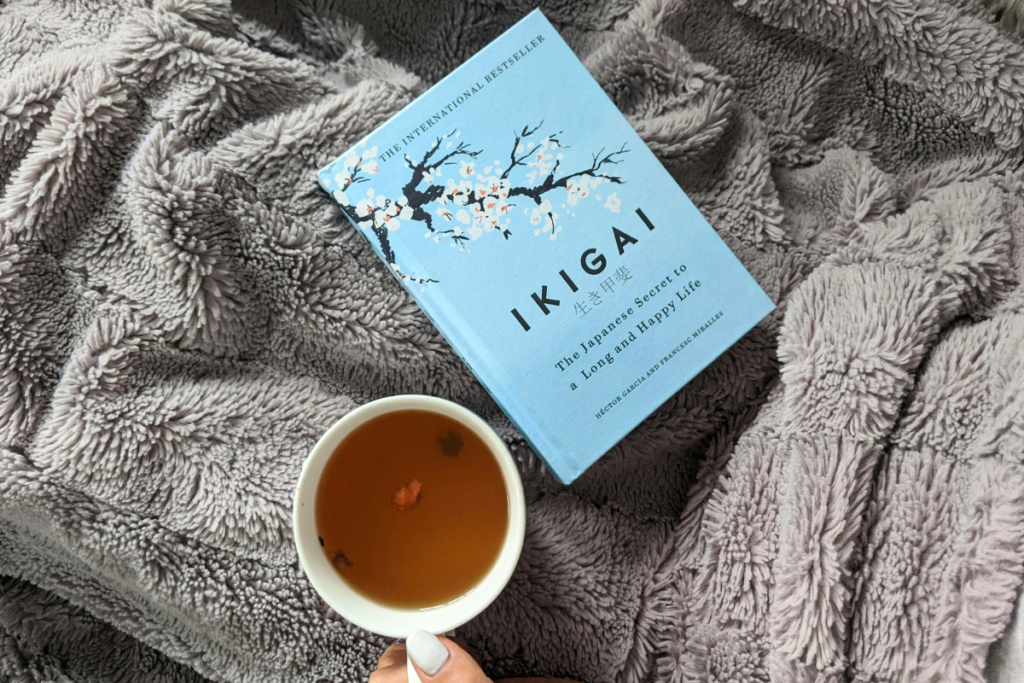
I love the traditional Japanese practice of Ikigai. A very important part of this practice is to “clear out” so positive energy, actions and results and new wonders can flow. It’s like a spring cleaning of everything. This is my interpretation and I often follow these steps when trying to move forward and make changes in my life.
How?
Remove what drains your energy – obligations you do have to do or enjoy anymore, roles you have outgrown, habits that take from your health and not support it, digital noise, toxic people and place, and things that stress you but can’t do anything about
Make space for what is important – clear out mental clutter, time clutter (overfilled and demanding schedules) physical clutter, food and drink clutter (things that don’t have nutritional value – so clear out your fridge and pantry), and time-wasting clutter
Honour and enjoy the new and clear space –it feels so good to get a fresh startand have the mental and physical space to move forward with new things
Get hold of this little book – IKIGAI – The Japanese Secret to a Long and Happy Life – It is one of my favourites
Support Your Gut Health
“Your gut health determines how well your body adapts to menopause”
Due to a decline in oestrogen levels during menopause stages our gut microbiome becomes less diverse and as a we see an increase in weight, particularly, abdominal belly fat, hot flushes, fluctuating moods, interrupted sleep, brain fog, a decline in metabolic health such as insulin resistance, increased inflammation and challenged immune system. Great right?
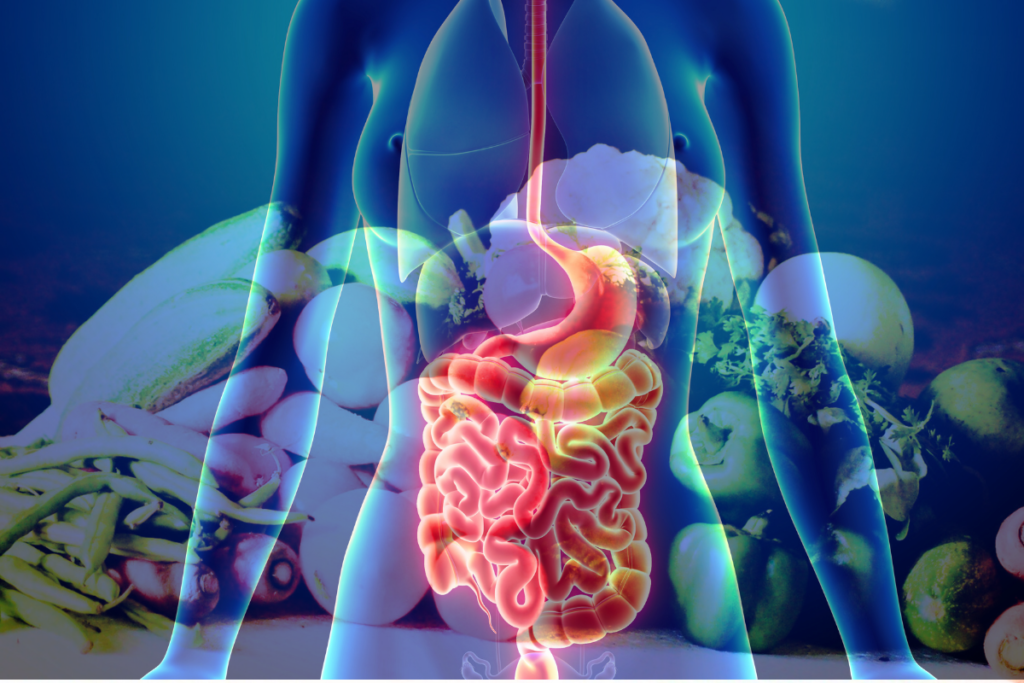
Meet our friend “Estrobolome” – this is busy part of your gut microbiome determines how oestrogen is reactivated, reabsorbed, metabolised and influences circulating oestrogen levels post menopause – so if you gut microbiome isn’t in great shape your symptoms and potential serious health problems will continue to increase. It’s time to build a clever gut microbiome
How?
Remove all ultra processed foods and drinks from your diet. Clear out your pantry and refrigerator and start afresh – anything with a number or a name that is not a real food has to go. We are talking store bought biscuits, crips, candy, flavoured yogurts, ice creams, sauces, frozen meals, soft drinks/soda, energy drinks, flavoured protein powders, and just about everything in the middle aisles of the supermarket. Minimally processed foods like quality wholemeal sourdough bread, wholemeal pastas, butter, rice, grains, wholemeal flours, dried herbs and spices, dried beans and basic staple foods are fine. You don’t have to go crazy just use a bit of common sense
All seed oils are out. Try to stick to extra virgin olive oil, avocado oil, and macadamia oil
Based your diet on whole nutrient dense foods. Nature provided wholefoods for a reason. Your body is designed to bite, chew and digest food in a way that all the nutrients in each piece of food can be absorbed and use to fuel and support every single cell. Stick to the basics to start. Eat fresh vegetables and fruits aiming for 30+ (80% vegetables, 20% fruit) per week to add diversity to the gut microbiome (this includes spices and herbs). Eat quality protein high like fish, lean chicken, lean red meats (only 1 serve per week), whole fat dairy products (minimally processed), eggs, tofu, and loads of legumes (dried beans, chickpeas, split peas)
Include fermented foods. Fermented foods like minimally processed sauerkraut, kimchi, natural Greek yoghurt, pickled vegetables, miso, kefir and kombucha.
Give your digestion a break: Give your digestive system a break overnight will improve not only your gut health (improving your microbiome) it improves your metabolic health too. I recommend a minimum of 12 hours over night. I see greater improvement with those who reach 14 hours over night eg: finish eating at 7pm and then not eating again until 9am the next morning
Cut out alcohol. Like many I love a drink of wine or beer on a hot day, but the reality is that alcohol is incredibly detrimental to the gut microbiome, particularly during menopause as the microbiome is already struggling with the lack of diversity. Alcohol increases microbiome imbalance, interferes with oestrogen detoxification, fuels menopausal symptoms, increases chronic disease risks, and often the effects of alcohol are increased due to poor gut microbiome activity
Support your liver health.
Your liver is the centre of metabolism and detoxification for what you consume, what you are exposed to, supports your blood sugar regulation, inflammation control and all the centre for hormonal clearance. When you load up your liver with too much strain from eating the wrong foods, drinking alcohol, taking too many medications or supplements, this clever organ starts to fail. When the liver is strained symptoms often feel stronger, longer, and harder to stabilise.
How?
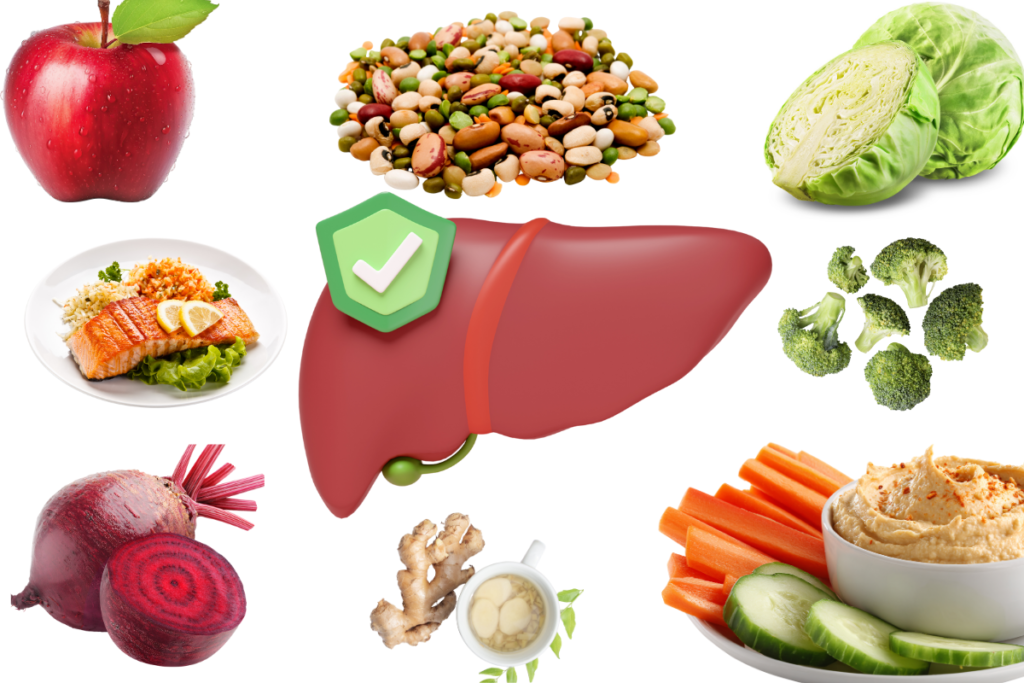
Eat adequate protein. Regular intake of quality protein supports liver enzymes and metabolic/detoxification pathways. Think eggs, fish, chicken, legumes (beans, chickpeas, edamame), tofu, Greek yoghurt, occasional lean red meat. The optimal intake is 1.2 to 2 grams per kilo of your body weight. The more activity you do the higher the intake should be. Eg: if you are 70kg your intake should be between 84 to 140 grams daily. You need an intake this high to compensate for the impact low oestrogen has on muscle mass and bone density.
Again, cut out or down alcohol intake. Alcohol competes directly with oestrogen for liver clearance. Often women experience more intense hot flushes, disrupted sleep, more tender breast and increase body fat (alcohol directly slows fat loss). Tolerance to alcohol is significantly lowered in many women during the stages of menopause.
Increase bitter foods and cruciferous vegetables. I am a massive fan of eating fresh rocket (arugula) each day. It is a bitter green that stimulates bile flow that supports hormone excretion. Try rocket, kale, swiss chard, and mustard greens. Pair with olive oil, nuts, cheese, or avocado to balance the sharp, astringent taste and gain full benefits. Vegetables like broccoli, brussel sprouts, broccolini, cauliflower, cabbage, and kale are known as cruciferous vegetables. These vegetables support healthy oestrogen metabolism. Poor hormone clearance leads to increased fatigue.
Stabilize your blood sugar. Blood sugar fluctuations for the liver to release glucose and increase cortisol. The key is to cut down on sugary foods, eat regularly, avoid refined carbohydrates and combine protein + good fats + fibre in your meals. Menopausal belly fat will reduce along with bloating, sweet cravings, feelings of anxiety and several other symptoms
Support your gut-liver elimination.
If you gut and liver are not eliminating effectively, hormones will not leave your body and will recycle. As a result, menopausal symptoms will increase. The liver sends metabolised oestrogen back to the gut to be eliminated. If you have poor gut health this unwanted oestrogen will once again be circulated into your blood stream. This is not the form of oestrogen we want or need
How?
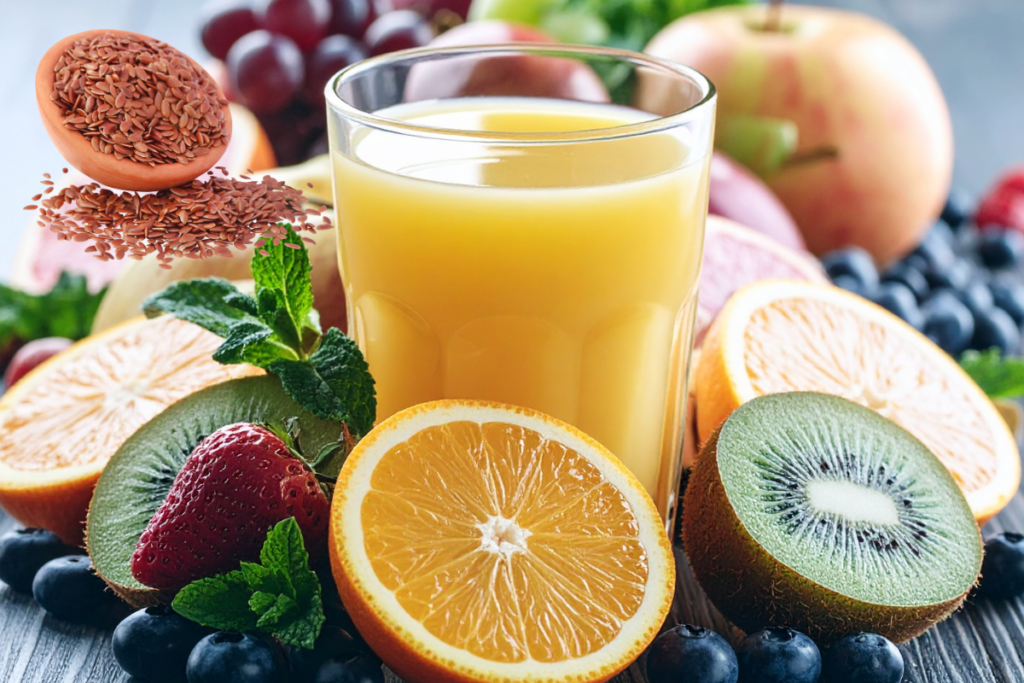
Always prioritise daily bowel movements, avoiding constipation. Have a fibre intake of 25 to 35 gram each day. Incorporate fermented foods into your daily meal and always stay well hydrated – these simple dietary improvements with support a healthier gut-liver elimination process. If you find you are a little constipated try eating two fresh kiwi fruits at night as a little dessert. Not only do they help stimulate your bowel movement , they also help you to get a more restful sleep. A freshly squeezed orange juice (at home) or pear juice (no added sugar) can also help. A tablespoon of ground flaxseeds really supports elimination and a multitude of other functions in your body – so that is a winner (start with a teaspoon sprinkled on youghurt, toppings on your sourdough toast like avocado, or on soups and salads – start small and move up to a tablespoon as some people respond to flaxseed pretty quickly and we don’t want any toilet surprises)
Prioritise sleep for your liver. The liver does the bulk of it’s magic whilst you are sleeping. Missing meals, having irregular sleeping patterns and late-night exposure to screens, all lead to higher cortisol levels leading to liver overload and more intense symptoms.
Bump up your nutrients.
During menopause our nutrient status often declines due to several biological, hormonal, metabolic and lifestyle influences leaving us in a state of depletion, exhaustion and at risk of disease and injury. When we lose the protection of oestrogen, our bodies become less efficient at absorbing, transporting and utilising several nutrients even when your nutrient is the same. In clinic, I often see signs of deficiency in B vitamins, vitamin D, iron, zinc, magnesium and calcium. Changes in the gut microbiome due to oestrogen decline are responsible for reduced mineral absorption, lower production of short-chain fatty acids and increased risk of leak gut. As we have increased inflammation, nutrients get used up more quickly, leaving us depleted. Other changes such as bone density, muscle mass loss, insulin sensitivity, and laboured liver detoxification, can often be attributed to poor absorption and uptake of vitamins of mineral
How?
Based your diet on whole nutrient dense foods: In the section above about gut health, the same recommendations are appropriate for increasing overall nutrient status.
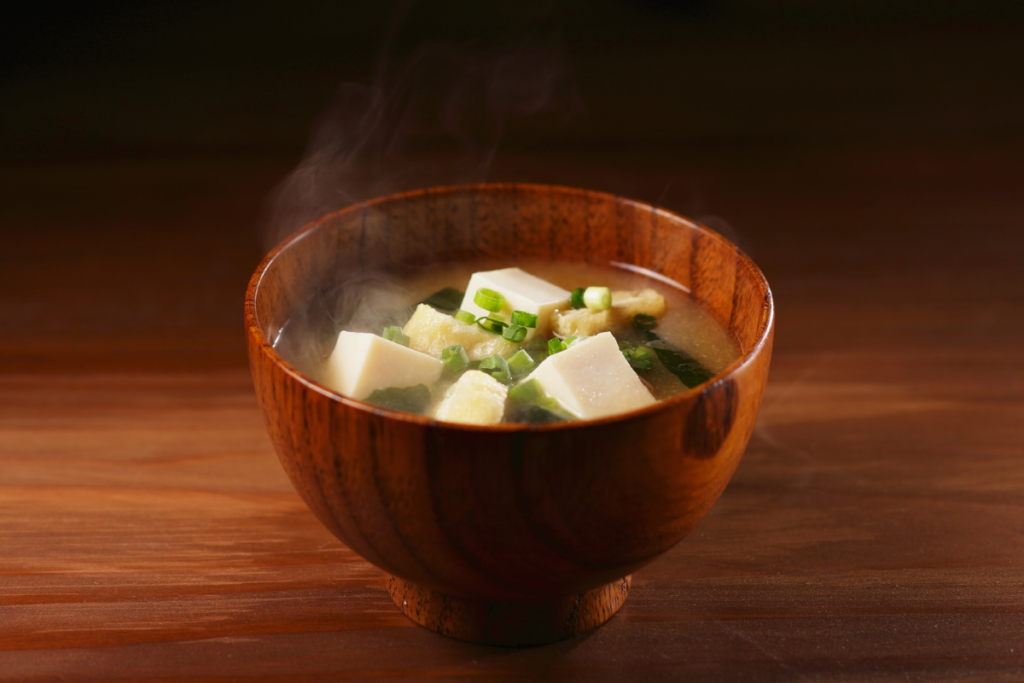
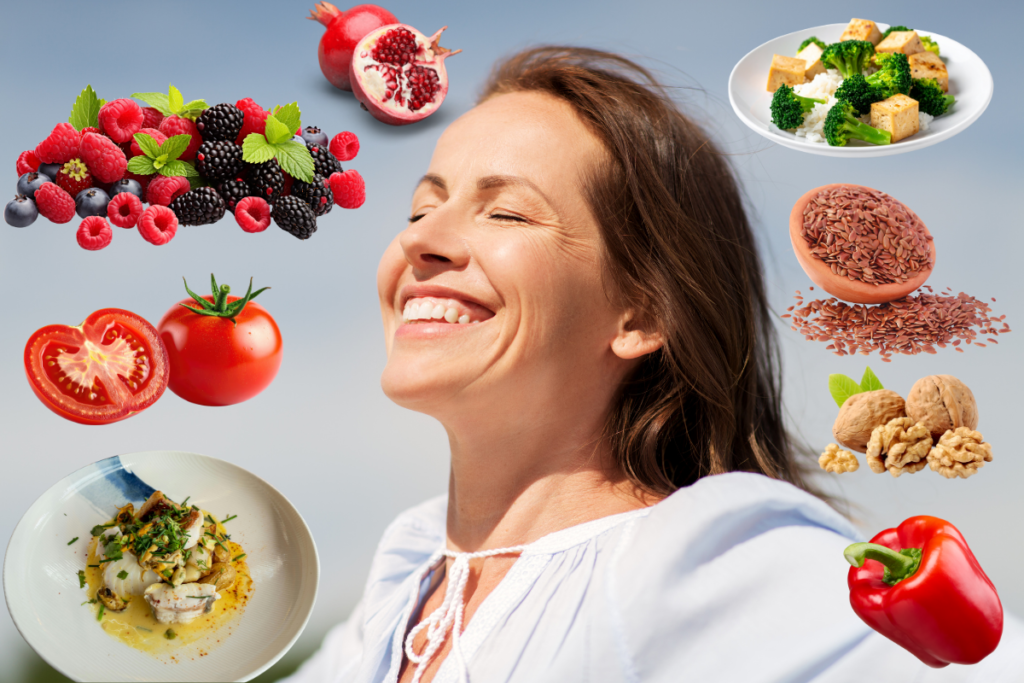
Eat phytoestrogen-rich foods: Phytoestrogens are a polyphenol that mimic oestrogen in the body. Increase your intake of soy-based products like miso, tofu and tempeh into your diet. These along with flaxseed (freshly ground) and legume can reduce symptoms of menopause including hot flushes, improve brain function, and support bone and heart health.
Eat other beneficial polyphenols: You can find polyphenols in many plant-based foods. The richer the colour the better found in fruits and vegetables. Polyphenols reduce inflammation, support gut, brain, heart and hormone health and helps several menopausal symptoms. Think berries, cherries, big fresh salads, wholegrains, nuts, seeds, most vegetables, most fruits, green tea, olive oil, dark chocolate and turmeric. Add plenty of these to your diet. These are nutrient powerhouses.
Omega 3 Fatty-Acids: Found in oily fish including salmon, sardines, mackerel, trout, and herrings. Oysters and mussels are good sources too. For plant based sources try walnuts, freshly ground flaxseeds and walnuts. Omega 3 fatty acids are super important throughout any stage of menopause by supporting not only common menopause symptoms but offering a protective factor for heart health, reducing inflammation, improving skin, hair and nails, supporting your mental health and your bones.
Vitamin D: Improving you vitamin D levels is super important during menopause. Like many of the nutrients mentioned above, Vitamin D is an all rounded in your body and really needs to be bumped up during any stage of menopause. Whilst direct sunlight is the best way to get vitamin D, some foods also have small amounts including fatty fish and egg yolk. Steer away from fortified products with vitamin D. There is little evidence that these are effective.
Supplement when you really need to: To be honest taking supplements for most people is not necessary. If you eat a wholefood diet with plenty of plant-based foods, quality protein and healthy fats, your body will thrive (with maybe the exception of vitamin D – so get some sun). Some women really do not extra nutrient support during menopause, but it should not be something you just self-prescribe. The danger of taking supplements/nutraceuticals without professional advice is that you can increase the load on your liver, not something you want to do in menopause. Off the shelf supplements can often have other components that lead to adverse reactions in the body. You have enough going on right now! My advice is, if you feel like you need extra support talk to a qualified clinical nutritionist or a trusted health professional
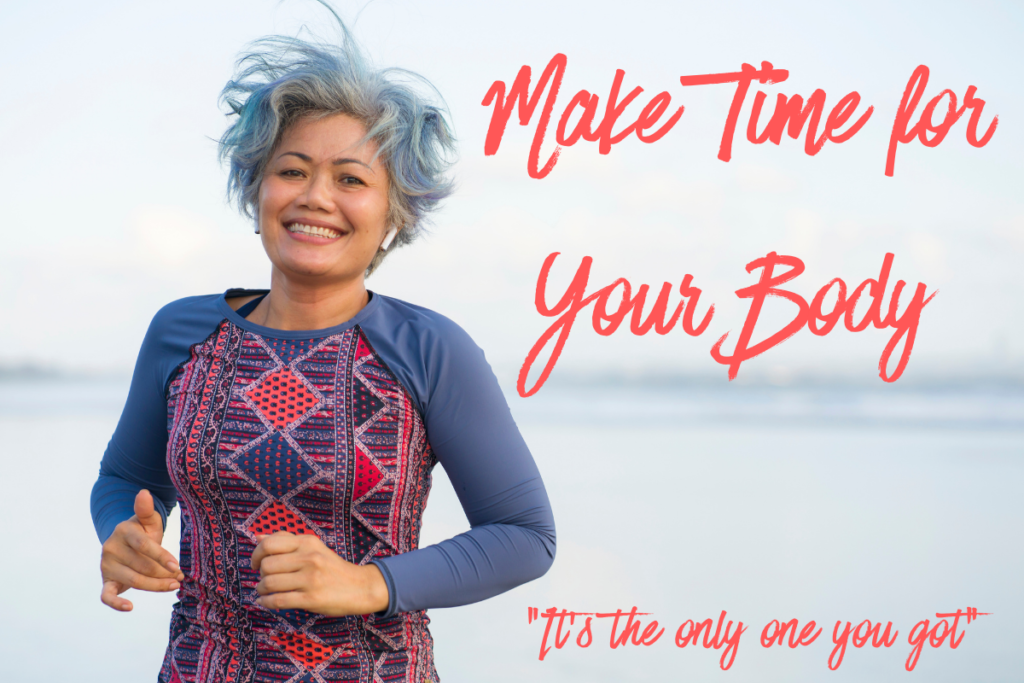
Move your body.
Movement is one of the most powerful, low-cost, evidence-based tools women have during menopause. It doesn’t just change your body, it changes your hormones, brain chemistry, metabolism, sleep, and long-term health trajectory. Regularly walking, strength training, swimming, gardening, aerobic exercises and sporting activities all help reduce the symptoms of menopause and improve your health. With regular exercise sleep improves, brain function improves, bones and muscles become stronger, you can shed excess weight, balance blood sugar and reduces vasomotor symptoms like hot flushes.
How?
Just start slowly and work your way up to more active exercises. 30 to 50 minutes of walking per day makes an incredible difference to your overall health and menopausal symptoms. Talk to a person trainer or other exercise professional when you are ready to tackle more intense exercise. It is a time to stay caution with your body
Improve your sleep.
Sleep and menopause have a two-way relationship as menopause disrupts sleep, and disrupted sleep then worsens many menopausal symptoms. Poor sleep leads to higher cortisol → more anxiety, irritability & brain fog, weight gain and insulin resistance, increased fatigue, reduced energy, more aches and pains due to increased inflammation, poor mood and an increased likelihood of depression. Not to mention impaired oestrogen metabolism and increase load on the liver. Time to improve your sleep

How?
Set up your bedroom for menopause: Cool: 18–20°C (64–68°F), keep room dark, reduce any noise, use cotton/linen bedding, keep phone away from your bed. You body will remain calm and cooler
Create a 30–60-minute wind-down ritual: Dim lights, no work, no streaming, no phones, nice shower, some reading, and a few minutes of gentle slow breathing. You nervous system will thank you.
Use natural light to reset your clock: Get nice bright sunlight into your eye as soon as you can after you wake (yes, I know, sometimes the weather isn’t sunny but even daylight on a grey day does wonders). Reduce all blue light (screens) at least an hour before bed and dim your house lights. This will train your melatonin/ cortisol rhythm.
Eat for better sleep: Follow the dietary guidelines mentioned earlier and avoid alcohol, coffee and large or heavy meals close to bedtime. If you really must have something late in the evening, stick to some yoghurt with cherries or blueberries, banana or a warm full cream milk with a little honey or maple syrup. Turkey in your evening meal will also help you sleep as it is a natural source of tryptophan (nature’s sleeping aid)
Move your body: Your sleep patterns will improve instantly if you get enough movement in your body. Just make sure you are not hitting the gym or jogging after 6pm. Late exercise can really upset your circadian rhythm.